Arts grants NSW for Hunter performers and companies, and which are open
Most small arts projects in the Hunter are paid for by a few grants: the state's arts fund, the regional arts boards and the councils. Two of them close in October. Here is what each pays for, who can apply and when.
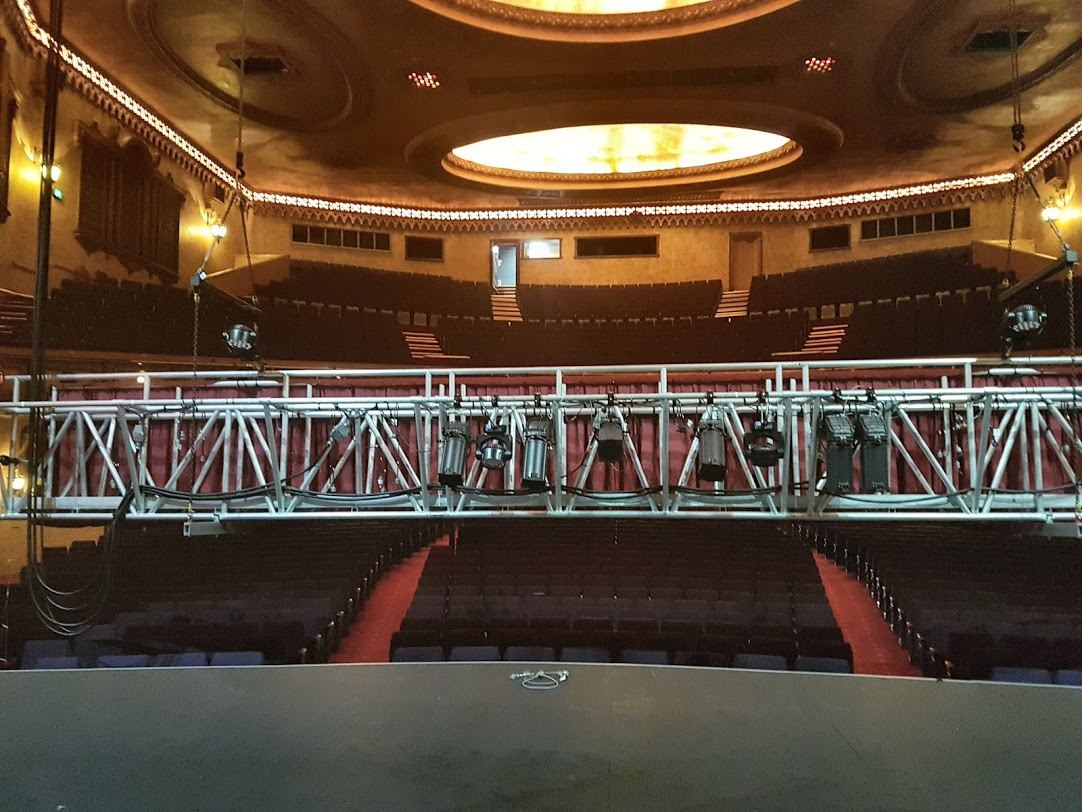
Closing soon: Create NSW's Regional Arts Touring Round 2 closes at 2pm on 13 October 2026 (AEDT). Arts Upper Hunter's Country Arts Support Program and Micro Grants close on 28 October 2026.
Create NSW: the state's arts fund
Create NSW runs the NSW Government's Arts and Cultural Funding Program, with rounds for individual artists, arts and cultural workers, and organisations through the year. Its funding calendar lists what is open and what is coming.
Open now is Regional Arts Touring Round 2, for artists, workers and organisations touring work across regional NSW, with tours funded from $10,000 to $75,000. It closes at 2pm on 13 October 2026. A Hunter company taking a show on the road, or a touring production coming to a Hunter venue, is the kind of project it is for.
Arts Upper Hunter: small grants for community arts
Arts Upper Hunter is the regional arts board for the Upper Hunter. Its Country Arts Support Program (CASP) is the long-running small grants program for community arts across regional NSW, with grants of up to $3,000 for community groups and council bodies. This round also includes Micro Grants of up to $1,000, which individuals and businesses can apply for. Applications for projects in 2027 opened on 21 September and close on 28 October 2026, and the board runs a how-to-apply workshop in October.
Councils
City of Newcastle funds performances, exhibitions and community arts through the Arts, Culture and History stream of its Community Support Grants. The 2026 program has closed; watch the page for the next round.
City of Cessnock funds community and cultural projects each financial year through its Community, Sporting and Environment Grant Scheme.
Before you apply
- Read the guidelines first. Each program says who can apply, what it will not fund and how it scores applications.
- Start early. Grant portals such as SmartyGrants ask for a budget, a timeline and support letters, which take longer than the form.
- Ask. Most programs offer a contact officer or a workshop; Arts Upper Hunter runs one for CASP.
- Plan the venue. If your project is a show, cost the hire, crew and ticketing early. Our venue hire guide covers what a Hunter theatre charges for.
What arts grants are open in NSW right now?
On 5 October 2026, Create NSW's Regional Arts Touring Round 2 (tours from $10,000 to $75,000) was open until 2pm on 13 October, and Arts Upper Hunter's Country Arts Support Program and Micro Grants were open until 28 October.
Can an individual artist get a grant in the Hunter?
Yes. Create NSW funds individual artists through its Arts and Cultural Funding Program, and Arts Upper Hunter's Micro Grants of up to $1,000 are open to individuals and businesses.
How much is a CASP grant?
Arts Upper Hunter's Country Arts Support Program offers grants of up to $3,000 for community groups and council bodies, and Micro Grants of up to $1,000.
Kinds of arts funding
Arts grants come in a few broad kinds, and knowing which you need saves time.
- Project grants fund a specific show, festival, recording, exhibition or workshop series, with a start and end date.
- Quick response or small grants fund modest, time-sensitive costs, such as travel to a festival or a short workshop, with simpler applications and faster decisions.
- Touring grants help a production travel to regional venues, covering travel, freight and fees.
- Development grants fund creative development: writing, rehearsing and testing a new work before it is ready to stage.
- Organisational or multi-year funding supports an established company's ongoing operations, usually through a competitive round with strict requirements.
- Professional development grants help individual artists attend training, residencies or mentorships.
National funding
Beyond NSW, the national arts funding body, Creative Australia, runs grant rounds for individual artists, groups and organisations across artforms. National rounds are competitive and often suit established artists and companies with a track record, but some programs support early-career artists too. Check the national body's website for current opportunities and closing dates.
Who can apply
Most grant programs ask applicants to be one of the following: an individual artist with an Australian Business Number, an incorporated association or company, or a group applying through an auspicing organisation. Community theatre groups that are not incorporated often apply through an auspice: a registered organisation that receives the grant on their behalf and takes responsibility for it. Councils and arts organisations sometimes auspice local groups; ask early, because auspicing takes time to arrange.
Writing a strong application
- Read the guidelines twice. Check eligibility, what the program funds, what it does not, and how applications are assessed.
- Answer the criteria directly. Use the assessors' words as headings and address each one.
- Describe the project clearly. What will happen, when, where, who is involved and who it is for.
- Show the benefit. For audiences, artists and the community, with numbers where you can: performances, participants, workshops.
- Build a realistic budget. Include artist fees at fair rates, venue hire, marketing, insurance and contingency, and show other income and in-kind support.
- Add support material. Short video, photos, reviews, letters of support from partners and venues.
- Get someone to read it. A fresh reader catches gaps and jargon.
- Submit early. Online portals can be slow on the closing day.
After you are funded
Successful applicants sign a funding agreement, deliver the project as described, and report back, usually with an acquittal showing what happened and how the money was spent. Keep receipts, attendance figures, photos and feedback as you go. Funders remember applicants who deliver and report well, which helps with future rounds.
If you are not funded
Many funders offer feedback on unsuccessful applications. Ask for it, adjust your project or application, and apply again in the next round. Rejection is common in competitive rounds and is rarely the end of a good idea.
Other ways to fund a show
Ticket sales, sponsorship from local businesses, in-kind support such as free rehearsal space, fundraising events, crowdfunding and philanthropic foundations all help. Many community productions combine a small grant with several of these.
A grant calendar for Hunter groups
Grant rounds open and close at different times through the year, and the best applications are planned months ahead. A simple routine helps: at the start of each year, list the programs that suit your group, with their usual opening and closing months; set reminders a month before each opens; and draft your project description and budget early, so you can adapt them to each program. Create NSW publishes a funding opportunities calendar, and councils announce their rounds on their websites and in newsletters.
Budgets that assessors trust
Assessors look for budgets that are realistic, complete and balanced. Pay artists properly, at or near industry rates, and show it. Include every cost: venue hire, technical crew, sets and costumes, marketing, insurance, travel, accessibility measures such as captioning or Auslan, and a small contingency. Show where the rest of the money comes from: ticket sales, sponsorship, other grants and in-kind support such as donated rehearsal space or volunteer hours, valued fairly. Make sure the budget adds up and matches the project description.
Making your project accessible
Many funders value projects that welcome people with disability, people from culturally diverse backgrounds and people in regional areas. Building in relaxed performances, Auslan interpreting, audio description, step-free venues or free community tickets can strengthen an application and widen your audience. Our guide to accessible shows in the Hunter explains the main options.
Working with councils
Councils in the Hunter run community grants that often include arts and cultural projects, and some offer venue hire discounts or in-kind support for community groups. Talk to the council's arts or community development officer before applying; they can tell you whether your project fits, and sometimes how to strengthen it.
Common reasons applications fail
- The project does not match what the program funds.
- The applicant is ineligible, or the auspice was not arranged.
- The budget does not add up, or leaves out artist fees.
- The application describes the group, but not the project.
- Support material is missing or does not work.
- The application arrived after the deadline.
Most of these are avoided by reading the guidelines carefully and asking the program officer a question before applying.
Getting help with an application
Grant program officers at Create NSW and councils will usually answer questions about eligibility and fit. Regional arts organisations, such as Arts Upper Hunter, and experienced local artists often help groups with their first applications. Some councils run grant-writing workshops before their rounds open.
Grants for individual artists
Individual performers, writers, directors and designers can apply to many programs in their own name with an ABN. Individual grants often fund a new work, a recording, a residency, professional development or travel to present work elsewhere. Assessors look for a clear plan, a realistic budget that pays you fairly, evidence of your practice such as reviews or recordings, and an explanation of how the project develops your career. Keep a short, current artist biography and a portfolio of recent work ready, so you can respond quickly when a round opens.
Grants for community groups
Community theatre companies, choirs, dance groups and festival committees usually apply as incorporated associations, or through an auspice. Funders want to see who will benefit, how the community is involved, how volunteers are supported, and how the project will continue after the grant. Simple evidence helps: audience numbers from past shows, photos, letters from venues and partners, and a clear budget. If your group is new, start with a small council or regional grant, deliver it well, and build towards larger rounds.
Keeping track
Keep a simple record of every grant you apply for: the program, the amount, the dates, the outcome, the feedback and the reporting due dates. It saves time when the next round opens, and reminds you when reports are due. Missed acquittals can make you ineligible for future funding.
Our short answer
Arts grants in NSW come from Create NSW, the national arts body, councils, regional arts organisations and foundations. Check eligibility, plan months ahead, answer the criteria directly, pay artists fairly in the budget, and report on time.
Which programs are open now
Rounds open and close through the year, so the programs listed on this page change. We list each program with its current status from the funder's own page and the date we checked. Always confirm the closing date and the current guidelines on the funder's website before you start writing, because amounts, eligibility and assessment criteria can change from one round to the next.
Sources
- Create NSW, funding opportunities calendar
- NSW Government, Arts and Cultural Funding Program
- Create NSW SmartyGrants, 2026 Regional Arts Touring Round 2 (closes 2pm 13 October 2026 AEDT)
- NSW Government Neon Marketplace, Regional Arts Touring Round 2 (tours from $10,000 to $75,000)
- Arts Upper Hunter, Country Arts Support Program and Micro Grants for 2027 (open 21 September, close 28 October 2026)
- Arts Upper Hunter, home page (CASP grants up to $3,000)
- City of Newcastle, Arts, Culture and History Grant
- City of Cessnock, Council grants